

For Parents of Active Children
Proper nutrition and hydration are key to helping your child feel their best on and off the field. In partnership with Dairy MAX, this guide offers practical suggestions and key questions to help you navigate Fueling for Play,
Hydration, Food for Recovery, and Creating Positive Relationships with Food.

1.
FUELING FOR PLAY
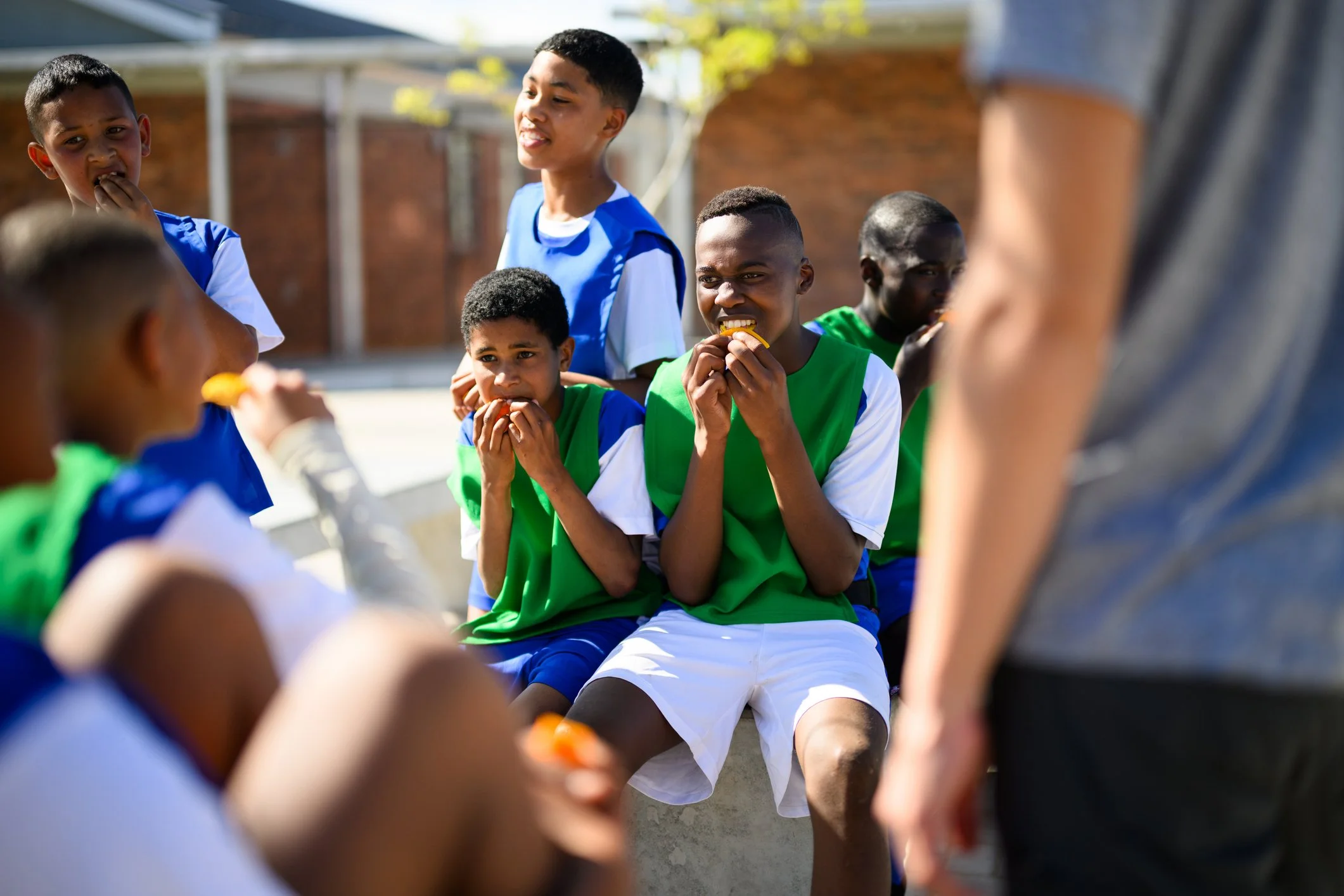
Key Considerations
Timing of meals & snacks
Building balanced meals
Injury prevention and muscle support
Fueling a young person for play requires building a strong nutritional foundation that empowers them to make balanced choices and understanding how to use nutrition as a tool to sustain energy, prevent injury and develop healthy habits.
-
Starting your morning with breakfast helps your body and mind get the fuel they need for optimal energy, focus, and growth. Making this a daily habit strengthens both nutrition and long-term health. Try an Egg & Mozzarella Breakfast Pizza or Avocado Protein Toast to start the day.
In a hurry? Try a Greek Yogurt Parfait, a Protein Box, or a glass of milk, fruit, & granola bar. Aim to consume a balance of whole-grains, protein, color, and dairy!
-
Meals should be a balanced combination of whole-grains/starchy vegetables, lean proteins, fruits, non-starchy vegetables, & dairy. For most activities, focus on a plate that is 1/2-1/3 color, 1/4-1/3 whole grains, and 1/4-1/3 lean proteins. Add in healthy fats & dairy to make a delicious, well-rounded meal.
-
If your child has a morning practice, ensure they fuel up beforehand with an easy-to-digest, high-carb snack like a banana, toast with nut butter, or an applesauce pouch to provide immediate energy.
Coach & encourage teens to meal prep items on the weekends, such as Apple Oat Muffins with a Nutty Yogurt Dip or "On-the-Go Meal Boxes", so packing lunch and snacks for the week is quick and easy.
Remind teens to pack extra snacks in their bags to enjoy alongside their school lunch or later in the afternoon to bridge the energy gap before practice.
Since nutritional needs are so high during these years, don’t hesitate to leverage your school’s meal programs as a reliable partner in your athlete’s fueling strategy.
Because programs and free-meal eligibility vary by location, you can explore general program overviews at the USDA School Meals website. Contact your local school district or state agency for the most accurate information on the resources available in your community.
-
Consistent nutrition is essential for adolescent bodies, as they are juggling rapid musculoskeletal growth alongside sports. Adequate daily calories are essential to prevent mechanical failures, such as stress fractures, soft tissue tears, and growth-related injuries.
To keep pace with their developing frames, aim for roughly 20 grams of protein per meal and high-calcium dairy (like yogurt or milk) to ensure their bones stay strong and their muscles have the necessary building blocks to repair after every practice.
Include anti-inflammatory foods like berries, dark green leafy vegetables, fatty fish, and nuts to reduce inflammation and support recovery.
-
2.
HYDRATION
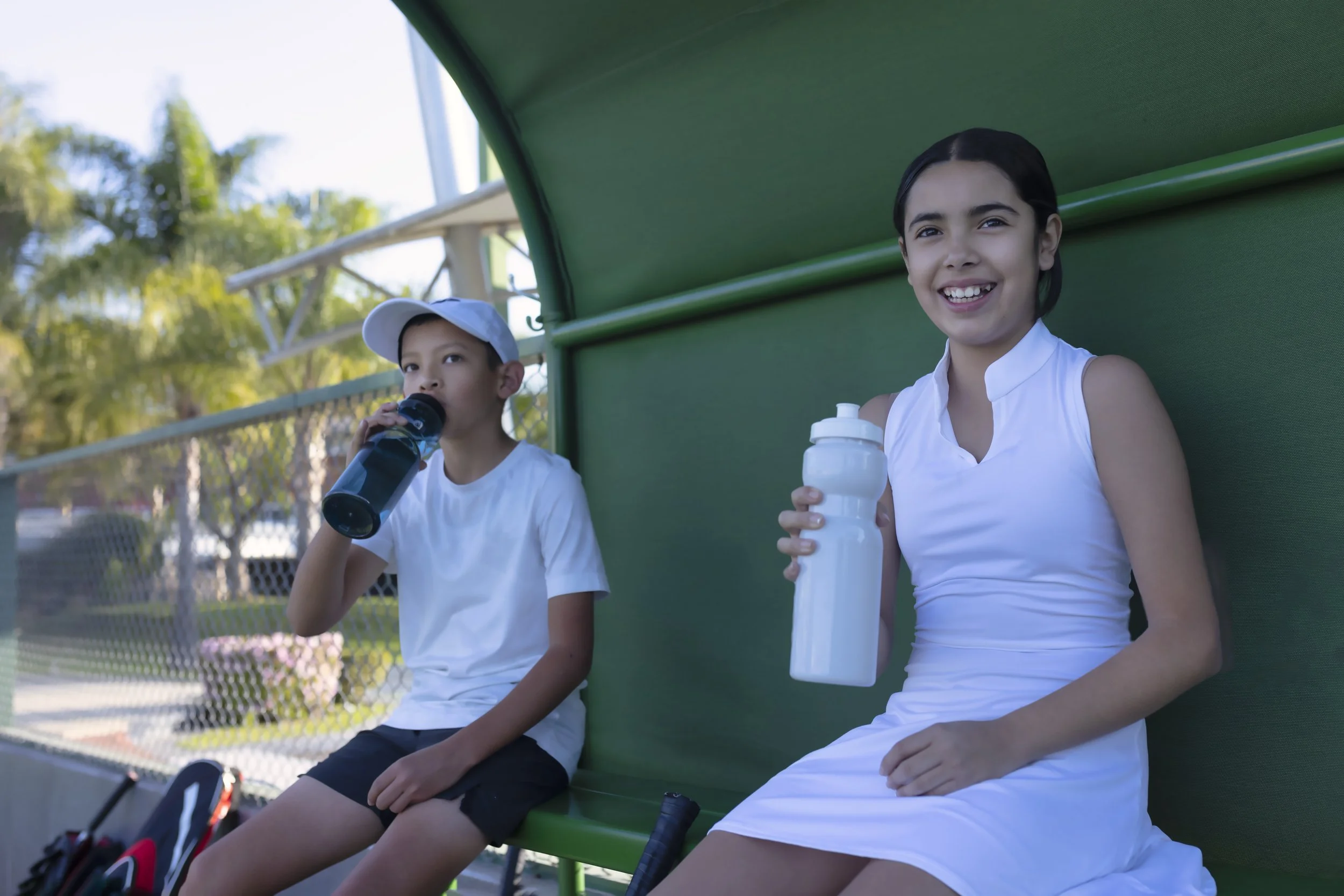
Key COnsiderations
What youth are drinking
When youth are drinking
Intersection with athlete safety
Staying well hydrated before, during, and after physical activity helps regulate body temperature, prevents dehydration, supports injury prevention and recovery, and overall well-being.
-
Encourage water as the primary source of hydration throughout the day to maintain essential bodily functions and cognitive focus.
Encourage regular drinking, even when they are not thirsty.
Encourage milk with meals.
Use sports drinks strategically; they are generally used during intense activity lasting longer than 60 minutes to help replenish lost electrolytes and energy.
Actively discourage energy drinks, as the high levels of caffeine, stimulants, & unregulated ingredients can promote dehydration and gastrointestinal distress, and can inadvertently put a student-athlete's eligibility at risk under NCAA banned substance rules.
-
Build water habits at a young age: Consistently offer water to establish base hydration habits before, during, and after playtime.
Younger kids have high nutritional needs but smaller appetites. Milk provides a high nutrient density to support growth and strong bones.
Encourage your child to carry a refillable water bottle during the school day to stay and encourage them to refill their water bottle throughout the day.
2-4 hours before activity aim for 10-16 oz. of water. About 10-30 minutes before activity aim for 8-12 oz. or 5 -9 oz. of water for younger children.
Provide milk with meals, which is 90% water, and is a natural source of electrolytes, making it a highly nutritious, hydrating beverage.
-
During exercise, aim to drink 3-8 oz every 15-20 minutes. Older adolescents may need 30-50 oz an hour, especially in intense heat.
TIP: A big gulp is equivalent to about 1 ounce of fluid, teach your child to take several big gulps each time they get a water break.
-
Age 1 -12: Rehydrate immediately with water or milk. If significant sweat loss occurs, include a salty snack to help with fluid retention.
Age 13-18: If your child is tracking their sweat loss, encourage your child to drink 16-24 oz for every pound of body weight lost during exercise and to consume that over the next few hours.
To ensure your child is ready for their next workout, focus on replacing fluids and electrolytes immediately after exercise; failing to rehydrate leads to "cumulative dehydration" over several days, which significantly increases the risk of heat illness and fatigue-driven injuries.
Chocolate milk is an effective option for post-exercise recovery, as it provides protein, water, and electrolytes.
NOTE: Individual hydration needs vary, and working with a sports dietitian nutritionist can help tailor a specific plan.
-
Kids don’t sweat as much as adults do to cool off. Instead, their bodies move blood closer to the skin to release heat. If they don’t drink enough water, it’s harder for their bodies to cool down, putting them at higher risk for overheating. Scheduled water breaks can keep kids hydrated before they feel the symptoms of heat stress.
A quick way to check if your child is drinking enough water: look at their urine. If it’s pale yellow, like lemonade, they’re probably well-hydrated. If it’s dark, that’s a sign they need more fluids to stay cool and energized.
Check for signs of dehydration:
Not using the restroom as often
Dry mouth & lips
Eyes look sunken
Acting cranky or irritable
No/little tears when crying
More severe dehydration:
Being tired or lethargic
Dizziness
Rapid breathing or heart rate
-
Urine Color & Dehydration Signs (One Stop Shop Resource)
3.
FOOD FOR RECOVERY
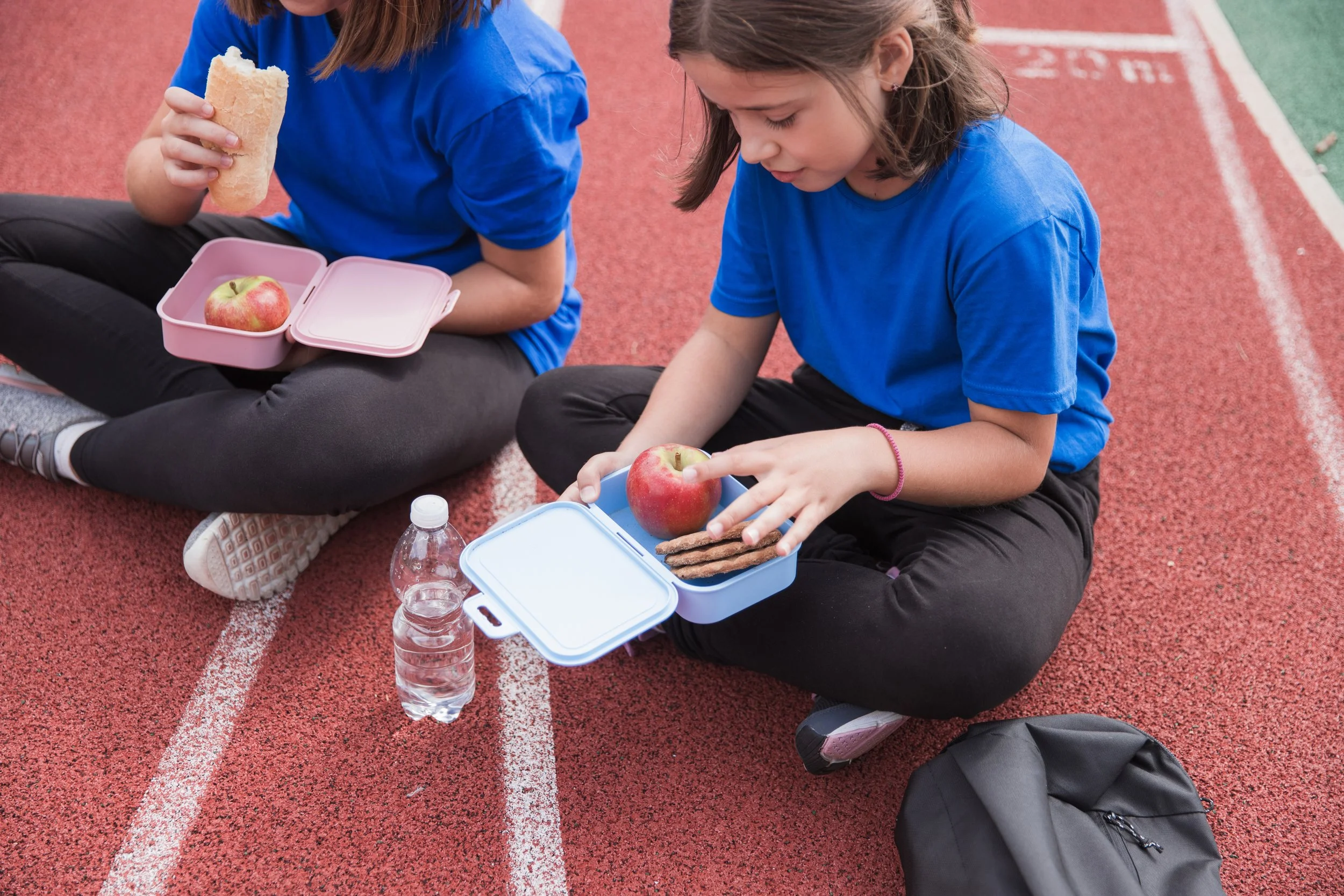
Key COnsiderations
Post-play snacks for muscle recovery
After you exercise or play sports, your body needs fuel to recover! Eating the right foods within 30-60 minutes helps your muscles repair and gives you energy back.
-
Teach your child three keys to recovery nutrition:
Rehydrate with fluid and electrolytes
Refuel with carbohydrates
Build and repair your muscles with protein
Aim for a snack containing both protein and carbs within 30 minutes of finishing play to jumpstart muscle recovery.
If activity is 60 minutes or less, provide a light snack & adequate hydration. If your next meal is more than an hour away, refuel with a post-activity snack.
Post-recovery snack examples:
Chocolate milk is a science-backed, ideal recovery beverage offering the ideal ratio of carbohydrates to protein, natural electrolytes and water for rehydration.
Greek yogurt with fruit and granola
Cheese and crackers
Peanut butter on whole-grain bread with milk
Beef jerky, string cheese, pretzels & banana
Whey Peanut Butter Protein Bites + Chocolate milk
Tropical Smoothie + granola
PRO TIP: Incorporating a high-protein bedtime or evening snack can further support the rebuilding & repair of your muscles & overall recovery from the day’s activities.
-
All recipes can be found at Better with Dairy
Creating Positive Relationships With Food
As your child grows, shifting personal preferences, external influences and social pressures, and fluctuating mental and physical health can all impact their relationship with nutrition. By following these best practices, you can encourage and empower your child to listen to their body, respect their natural cues, and build regular, positive habits around eating.Offer Choice
Providing choices gives the child a feeling of inclusion and power in their decision. Give 2-3 healthy options for them to choose from.
- The Parent: Decides what is served, when, and where.
- The Child: Decides if they eat and how much.
Leading by example
Children notice how adults interact with food and their own bodies. Show them what a healthy relationship with food looks like: eat a range of foods, talk about your body with respect, and listen to your own hunger and fullness signals. When you approach food without stress or judgment, your child learns to do the same.
Pressure-Free
Avoid “one more bite” or “clean your plate” language. Encourage your child to listen to their tummy cues, rather than portion.
Exploration
Encourage curiosity and experimentation when exploring new foods. Make it fun and engaging when bringing in a new or unfamiliar food. Aim for variety to diversify their nutrient intake.
Focus on Function
When talking about bodies or food, shift the focus to what they do. Keep your language positive and avoid labeling it as “good” or “bad”.
Everybody is different
Reinforce that everybody’s body has different needs, and food preferences are ok to be different.
What is normal for one family might look different for another. There is no 'right' way to eat, only the way that helps our specific body feel its best.