

Our Annual Report on Trends in Youth Sports
Each year, the Aspen Institute’s Sports & Society Program analyzes the state of play for young people in the United States through the values of its award-winning initiative Project Play, which helps leaders build healthy communities through sports. We gather data from a range of sources, consult with experts, and identify trends that help capture how well children are being served by adults. The report is written by Jon Solomon with editing and support from the program team.
Let's start with the good (great) news: We can now conclude that youth sports in America has effectively recovered from the COVID pandemic. More children and adolescents engage in organized play than at any time since 2019, according to government and industry data.
At the same time, challenges remain – and in some cases have escalated over the past year. Expensive club programs, the growing influence of technology and private equity, government raids of parks where immigrant children play, and other developments have created a dynamic environment that suggests a reshaping of the youth sport landscape.
These are among the findings in the State of Play 2025 report, produced by our Aspen Institute Sports & Society Program. Other trends noted include: growing efforts to train coaches in key competencies and an emerging consensus that as sport delivery models evolve they should be anchored in the principles of the Children’s Bill of Rights in Sports.
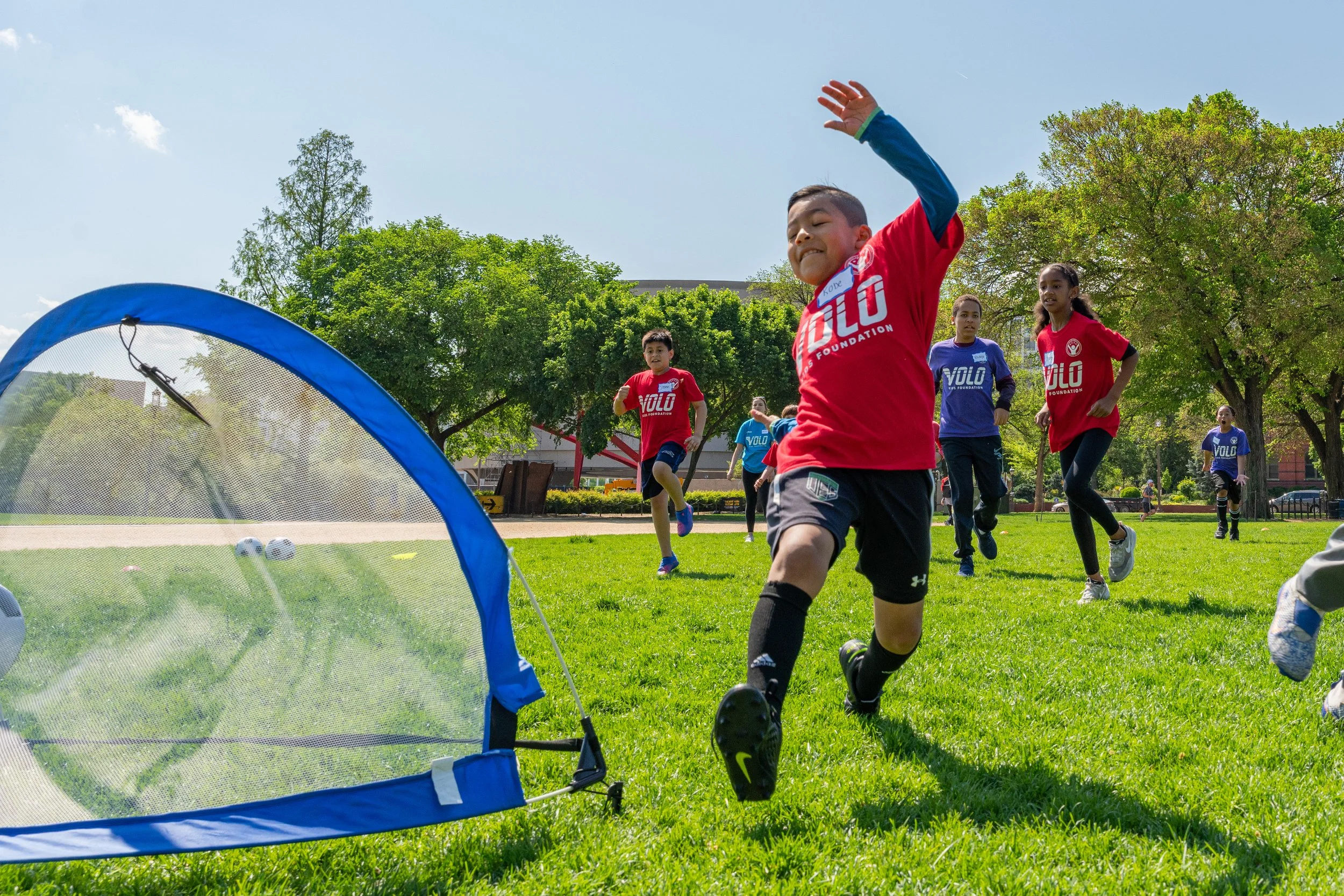
Casual sport offerings buoyed participation. (Photo: Volo Kids Foundation)
The costs of youth sports continue to grow – up a whopping 46% since 2019, according to Aspen Institute Project Play research. Significant access gaps remain among youth from upper- and lower-income homes. Still, overall participation rates rebounded, with 55.4% of youth ages 6-17 playing as of 2023, according to the federal government. Even more played in 2024, according to data from the Sports & Fitness Industry Association.
There was no guarantee this would happen. During the last major societal disruption, the economic recession of 2009, participation rates fell – and never recovered. Municipal budgets got cut, local recreation programs suffered, and private sport providers flourished, favoring families that could afford as much and leaving out many kids.
“The rebound in participation since the pandemic is a credit to all who have innovated to improve access to quality sport programs,” said Tom Farrey, executive director of the Sports & Society Program. “But we’re going to need leadership to ensure that as more money flows into the space, the needs of children – all children – are prioritized in the development of policies, practices and partnerships shaping what is still a disjointed landscape.”
Government set the target of getting 63% of youth playing organized sports by 2030 -- but private sector engagement is essential to getting there. So within Project Play, Aspen created the 63X30 roundtable, comprised of 20 leading organizations committed to catalyzing the call to action.
During 2025, the 63X30 members trained more than 263,000 coaches and administrators, engaged more than 3.5 million parents, and invested at least $71 million in youth sport access, safety and infrastructure. And behind all of that, the roundtable unlocked an athlete roster with 90 million combined followers across Instagram and TikTok -– a direct line into the daily lives of the kids, parents and coaches whose choices shape the future of sport.
For participation data, State of Play 2025 draws on three primary sources:
Government Data
Administered through the U.S. Census Bureau, the National Survey of Children’s Health shows that 55.4% of youth ages 6-17 played sports in 2023, the most recent year of available data and an increase from 53.8% in 2022. The survey asks parents if their child played on a team, or took lessons after school or on weekends, in the past year. Project Play uses that data to guide its efforts related to 63X30, a call to action to help the nation reach its public health goal of 63% by 2030. Find out your state’s participation rate by reading the Participation Trends page in this report.
Industry Data
Another source is a household survey commissioned by the Sports & Fitness Industry Association (SFIA), which tracks participation by sport and has a one-year lag. The most recent data, from 2024, shows a 6% one-year uptick of children ages 6-17 participating in a team sport at least one time. Kids ages 6-12 also regularly played team sports at a slightly higher rate in 2024, but regular participation continued to decline for teenagers ages 13-17.
Sports Parent Survey
State of Play 2025 features additional results from the Aspen Institute’s National Youth Sports Parent Survey, which includes analysis from parents of youth with disabilities, in partnership with Utah State University and Louisiana Tech University. (For all of our parent survey stories, click here.) Children from the wealthiest households play their primary sport more frequently than their peers on community, school and travel teams and through independent training. That’s every captured setting except free play, a lost art for many children and where the lowest-income kids play the most.
The findings in State of Play 2025, and the companion 10 Youth Sports Trends to Watch, are drawn from many sources, including but not limited to interviews with leaders in the youth sports sector, a review of the latest research, and media accounts.
Each page below provides a glance at different trends. We hope that you find this report useful in creating access to quality sports and play opportunities for young people.


Thank you to our partner, Hospital for Special Surgery (HSS),
sponsor of the State of Play 2025 report.