
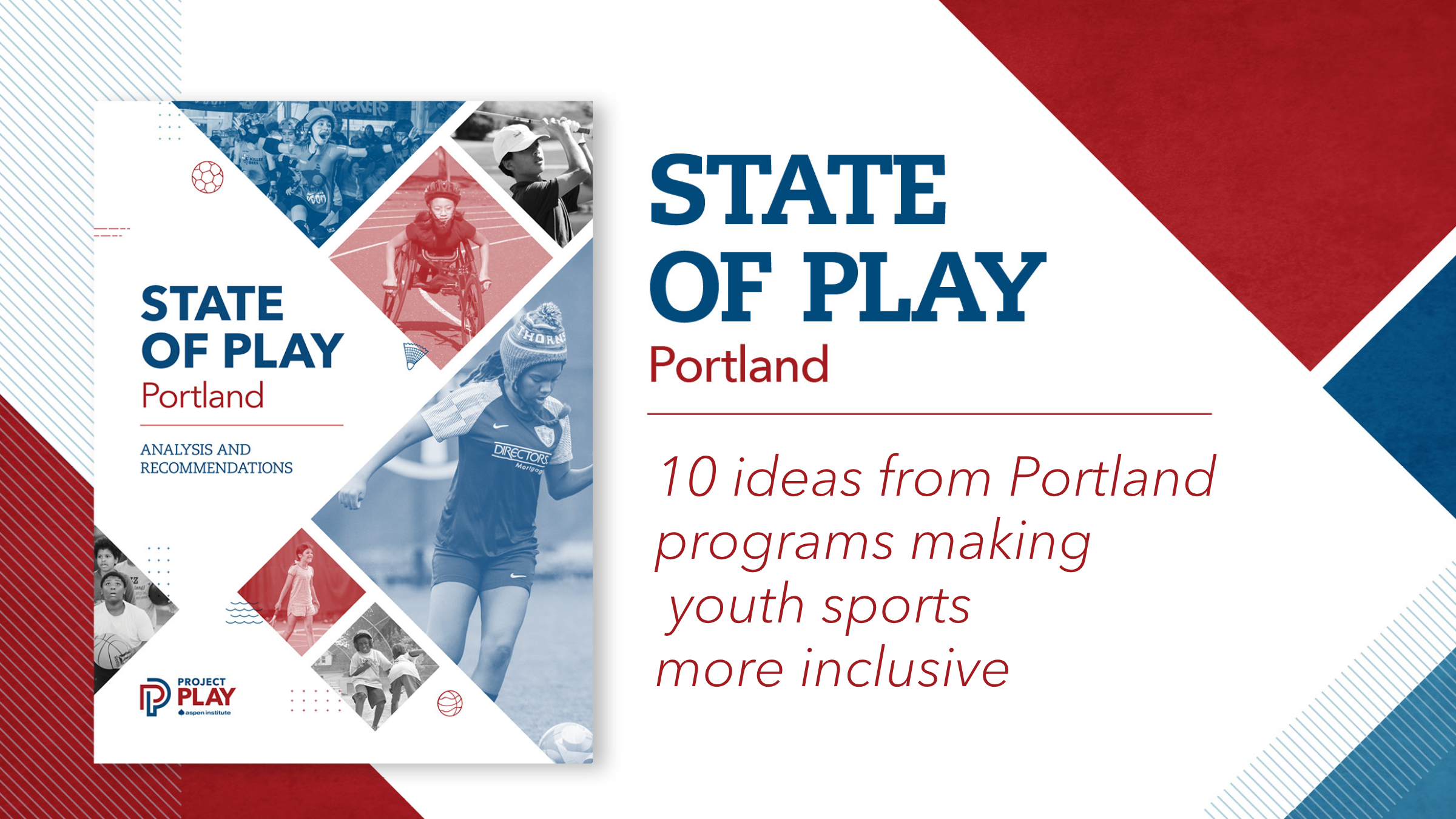
Across the country, coaches, program directors, parents and so many more are working to fix a youth sports system increasingly defined by high costs and exclusion. One of the best parts of producing Aspen Institute State of Play community reports is finding the local leaders who are actually pulling it off.
Portland, Oregon — the focus of our 2026 State of Play Portland report — has no shortage of these people. Local providers are tackling systemic hurdles with practical, community-driven solutions built around what families actually need. From rolling registration and adaptive equipment loans to mentorship-first coaching and free camps, these 10 Portland ideas show what happens when programs put access first — and offer models others can bring to their own community.
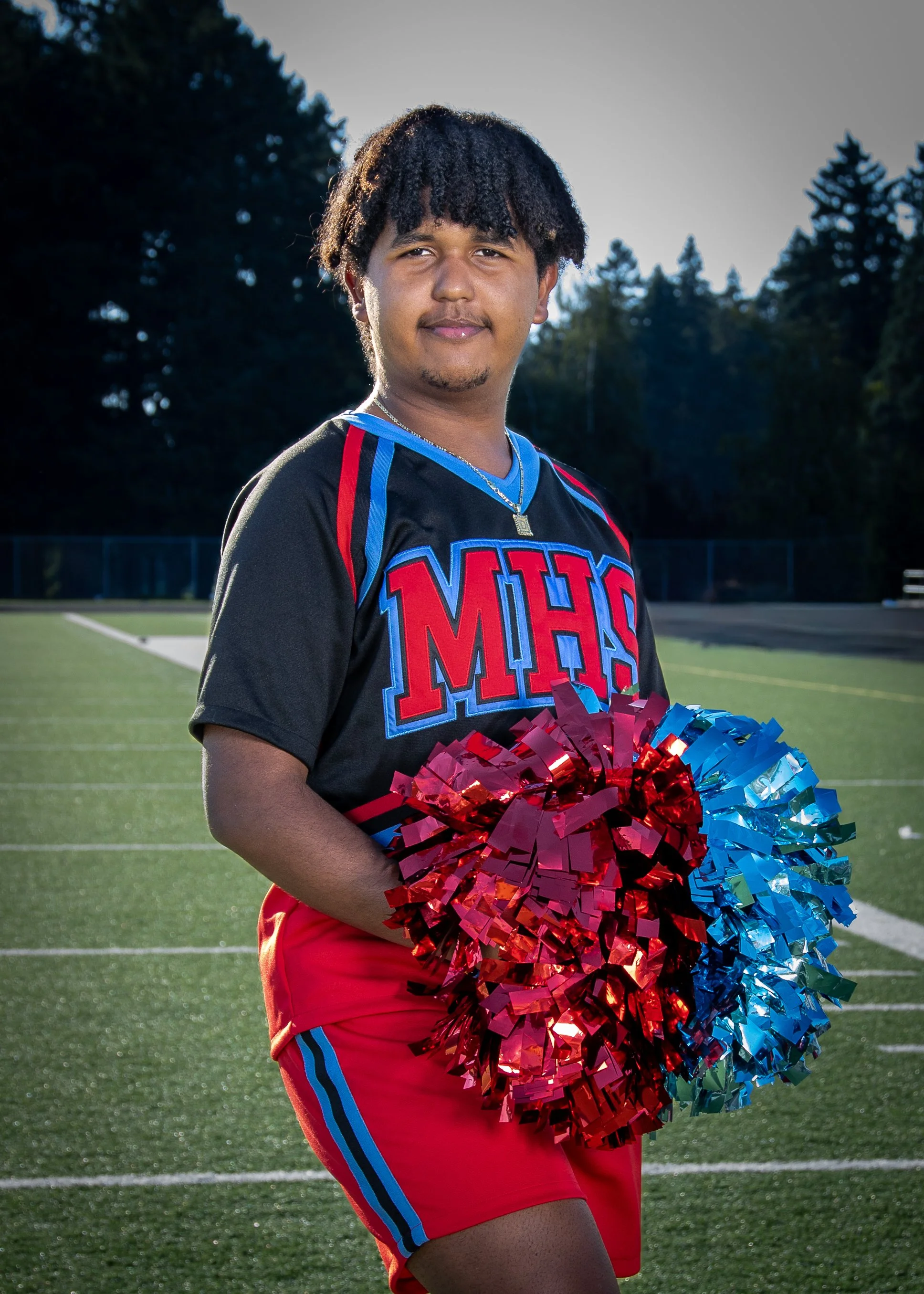
Daniel Ponce. Photo: McDaniel High School
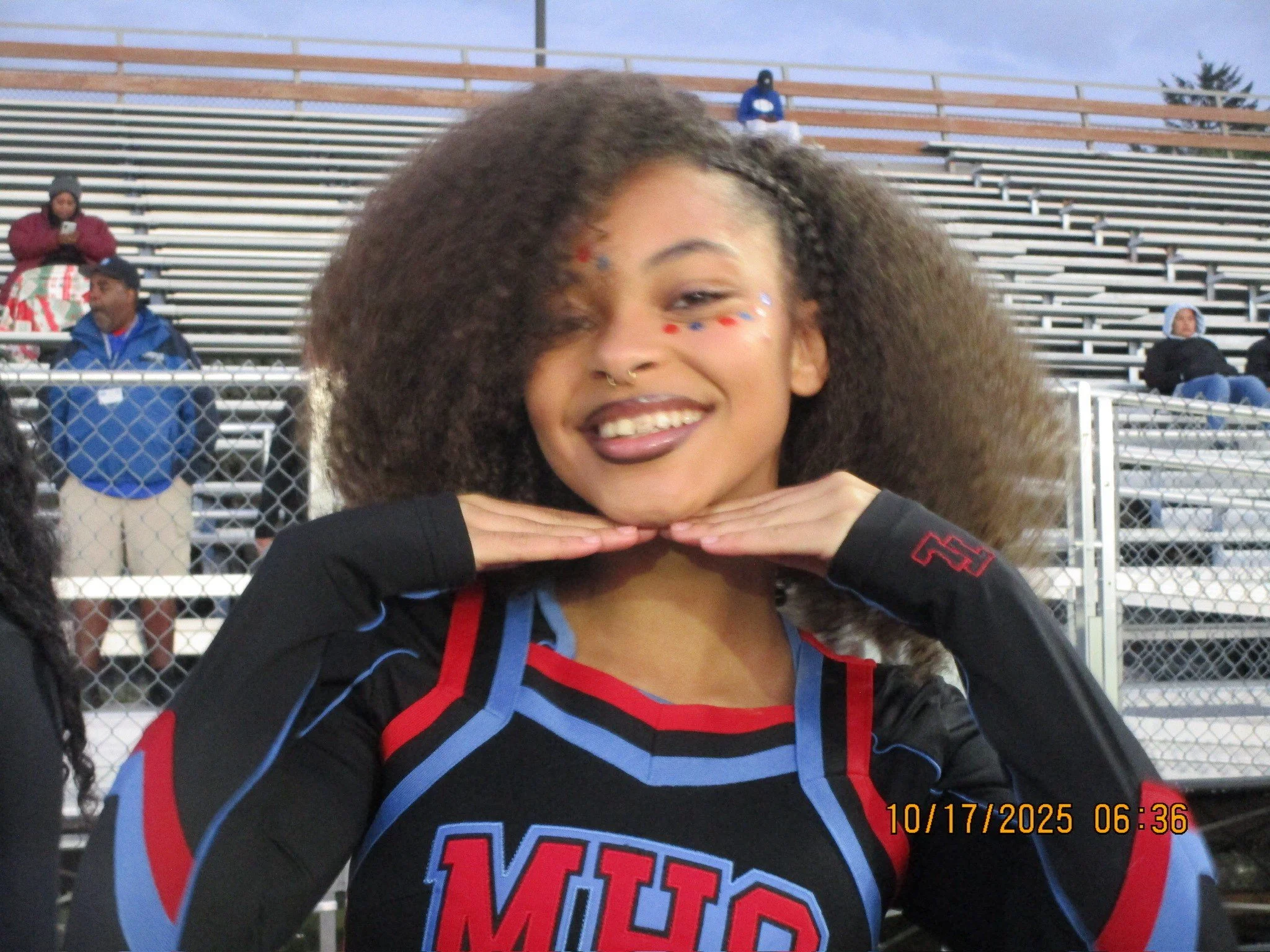
Aiva Anderson. Photo: McDaniel High School.
McDaniel High School Stomp and Shake Cheer Team
IDEA: OFFER Culturally responsive sports formats that welcome excluded students
The beauty of McDaniel High School’s stomp and shake cheerleading team is that it engages many students who previously avoided organized sports. This high-energy style, originating from Southern historically Black colleges and universities, features synchronized foot stomps, hand claps, full-body shakes and rhythmic chants.
Daniel Ponce, a senior when we spoke with him and the only boy on the varsity squad, never played sports before joining. “I never felt included or welcomed in other sports,” he said.
Aiva Anderson, who is Black, quit gymnastics after coaches neglected her compared to White peers. “I would be asking [coaches] the same questions as all the other White girls who were getting help, and I wasn’t getting as in-depth answers,” recalled Aiva, a sophomore when we spoke with her. “I was kind of left on my own, and a lot of other Black girls had that experience too.”
Led by McDaniel coach Sharlivia Slaughter, the team rejects cliquey stereotypes and body-type judgments many students find common in traditional cheer, swimming or gymnastics. There are White, Mexican, Asian and Black students of all shapes and sizes.
“Coach always tells us that we’re as strong as our weakest link and we have to help each other,” Aiva said. “We’re all on the same level, so there’s not really comparing with each other, which I think helps with inclusion.”
The Aspen Institute’s survey of Portland youth ranked cheer/stomp and shake among the top five organized sports for Black youth. Despite this popularity, the team faces skepticism regarding its status as a “real” sport. In state competitions, McDaniel loses points for omitting traditional stunts and tumbling. While other local schools adapt to traditional routines, Slaughter advocates for the Oregon School Activities Association to recognize stomp and shake officially.
Daniel and Aiva refuse to water down their team’s culture to fit traditional standards. “Getting second place is not nothing because people know how good we are,” Daniel said.
Aiva notes the racial double standard in these athletic debates. “Especially because there’s always underlying racism to it, you know? I think if stomp and shake was a White thing, there wouldn’t be that much argument about whether or not it’s a sport, or whether or not we should be included.”
As it is, Aiva said, many Black girls don’t feel welcomed by teammates or coaches on sports teams, as she experienced in gymnastics. She plans to attend college in the South and continue cheering.
“Joining stomp and shake,” Aiva said, “was the first time I’ve been treated equally in sports.”
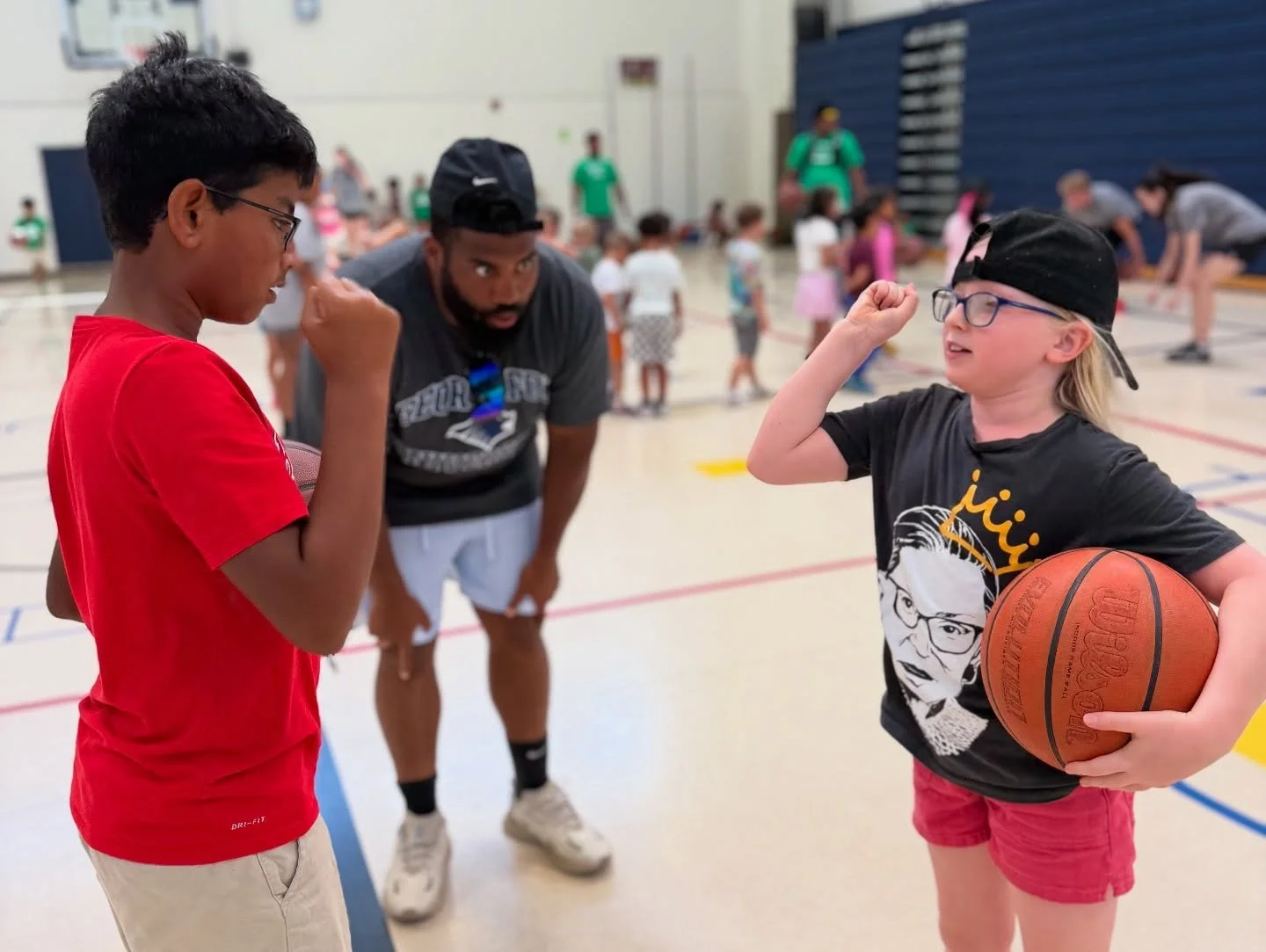
Photo: Elite Sports Academy
Elite Sports Academy
IDEA: Fund free summer camps for low-income kids through a buy-one-give-one model
At first glance, Elite Sports Academy (ESA) sounds like an exclusive, high-priced training ground for top youth athletes. In reality, it is a nonprofit founded in 2015 by Executive Director Andy White to provide completely free summer sports camps to under-resourced youth. White settled on the seemingly contradictory name with a deliberate goal: eradicating the stigma attached to free programs.
White recognized that low-budget camps often look the part, forcing kids to play basketball with worn-out volleyballs. Knowing children research camps online themselves, White wanted campers to feel genuine excitement rather than charity. With brand-new equipment every year, high-quality camp shirts and guest appearances from local pro athletes, ESA delivers a top-tier experience at zero cost. Even though at least two grant-making organizations have turned ESA down under the false assumption that it is a private, exclusionary club, White refuses to change the name, viewing the pride it instills in campers as central to the mission.
Over its first decade, ESA served roughly 3,500 children in grades K-8, with youth of color making up about 90% of enrollment. Partnering with principals, teachers and counselors at Title I schools, ESA recruits families who qualify for free or reduced lunch and offers something few specialty camps can match: all-summer, full-day coverage. Demand consistently outpaces supply; at one school, registration drew 170 applications within three hours for 80 open spots.
Relying exclusively on grants and donations for its first eight years capped how quickly ESA could expand and forced White to turn away middle- and upper-income families who wanted to enroll. To break that bottleneck, he launched “Go to Camp, Give a Camp,” a buy-one-give-one model inspired by TOMS Shoes and Bombas Socks. ESA pairs paid Sponsor Camps in more affluent communities with free Impact Camps at Title I schools. Sponsor Camps cost $250 for a 25-hour week — set well below the national camp average of roughly $375 for 20 hours so middle-income families aren't priced out.
Every paid registration at a Sponsor Camp directly underwrites one child’s free attendance at a sister Impact Camp, covering staffing, insurance and brand-new equipment for both sites while rolling surplus revenue into new paired locations the following year. White describes the initiative as “parents helping parents.”
On the fields and courts, ESA counters early sports specialization with fun-first, multisport rotations — mixing soccer, basketball, flag football and dodgeball with a camper-chosen “sport of the day,” a nutrition and wellness classroom session and a clubhouse lounge break.
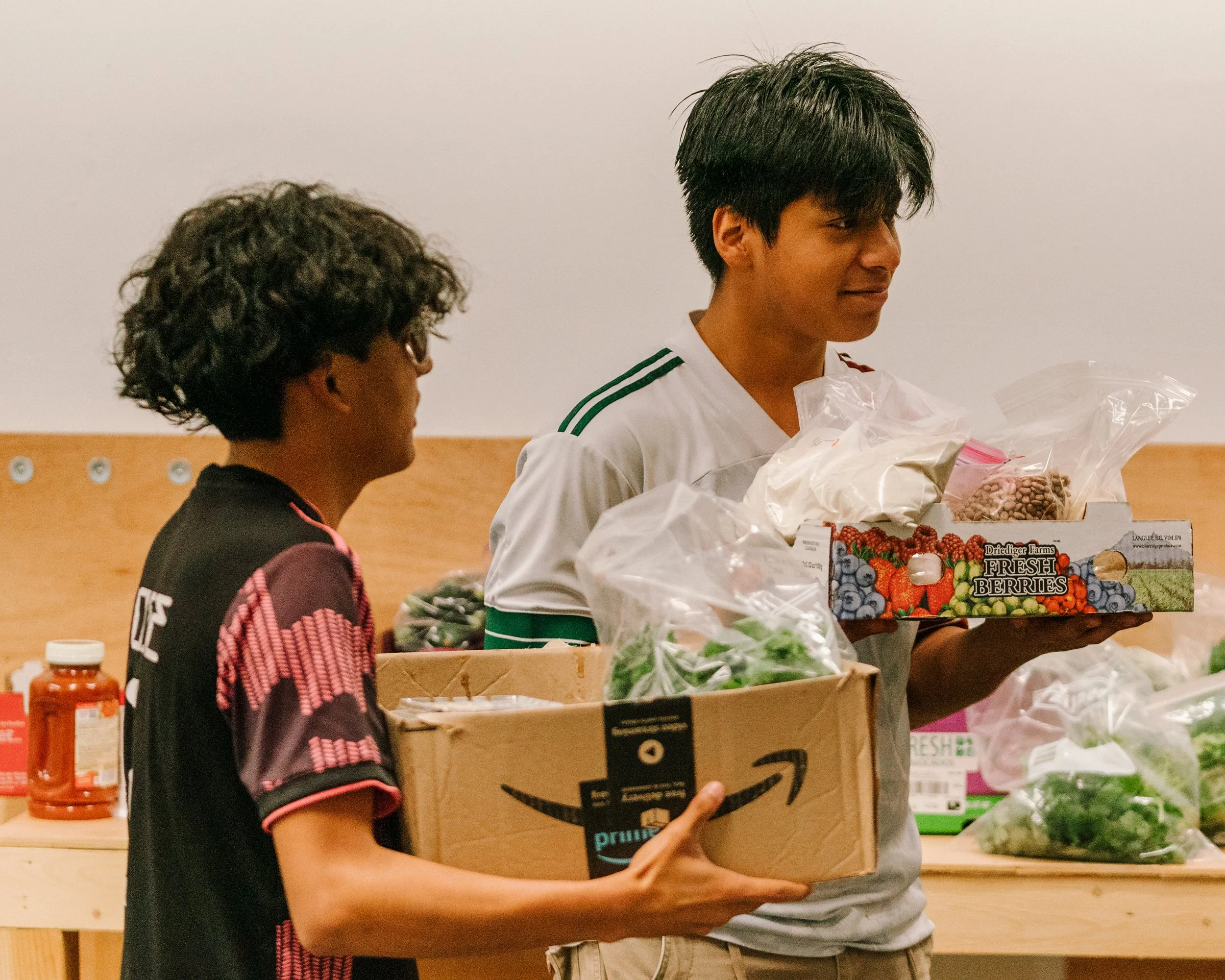
Photo: Portland Community Football Club
Portland Community Football Club
iDEA: Offer free, no-tryout soccer with rolling registration and family support
Community-rooted models like Portland Community Football Club (PCFC) reflect how many families have always organized sports: collectively, flexibly and with mutual care for children. This stands in stark contrast to the premier club model, which represents a market-driven approach.
PCFC serves a population where up to 90% of players are not White and 70% receive free or reduced-price lunch. PCFC makes participation entirely free. Instead of tryouts, PCFC uses a skill-based evaluation during practices. Kids start playing in their age group, and based on skill demonstrated over time, get sorted into competitive or developmental teams. Players can move between these levels. PCFC advocates on behalf of skilled players to try out for larger clubs, if they so choose, but there’s an open-door environment and players often return to hang out or play with their siblings. The club funds its operations through grants, donations and sponsorships and treats soccer as a mechanism for family stability.
Its most impactful innovation is the integration of wraparound services. PCFC operates a monthly food pantry, uniquely open from 6 p.m. to 9 p.m. to accommodate working parents, so that families don't have to choose between a child’s practice and a nutritious meal. “Food is actually more important than play right now,” PCFC Interim Executive Director Jerika Ferguson said.
PCFC utilizes rolling registration to reach low-income and underserved youth. This open-door policy supports children who need community regardless of the season. While PCFC competes against travel teams and must adhere to certain Oregon Youth Soccer Association timelines, its flexible model identifies overlooked talent and accommodates children who prefer practice over sanctioned games.
Rolling registration does present logistical hurdles. PCFC coaches find attendance difficult to predict, and high demand forced the club to move to paper registration to manage digital literacy issues and document collection (headshots, birth certificates and international clearances). Despite these challenges, Ferguson advocates for the model.
“Kids just need to start having fun again,” she said. “Let’s reduce the amount of organized play. Even within club sports, I think we can make things more chill.”
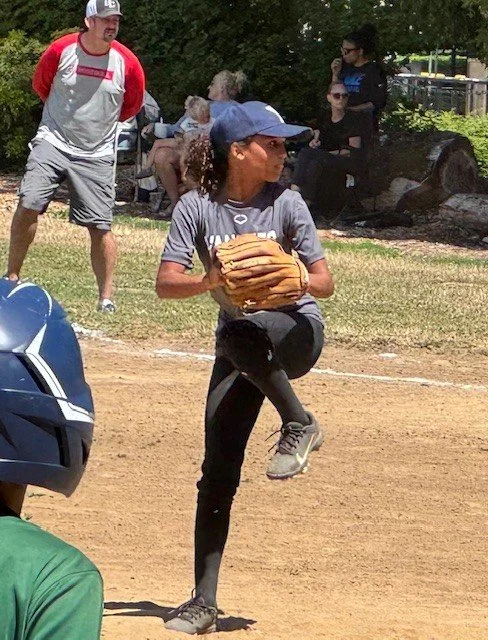
Photo: Extra Innings
Extra Innings
Idea: Shift baseball to summer play tailored to neighborhood youth
Extra Innings, a free summer baseball league serving under-resourced children, launched in 2024 in the historically Black Albina neighborhood. It is part of community-led efforts to invest in Albina in ways that honor Albina’s history and support Black residents’ ongoing presence.
The goal for Extra Innings: increase the number of Black children ages 13-14 playing baseball and softball. Aspen’s survey of Portland-area youth found that Black children are half as likely as White and Latino/a youth to have ever tried baseball.
Extra Innings participation grew from 70 to almost 500 children in the first three years. About 70% to 80% of the participants are youth of color — Black, Latino/a, Pacific Islander and Native American. Many had never tried organized baseball and needed to first learn how to play catch.
Led by Dave Gunderson and Gerald Bolden, the league’s success is rooted in its barrier-free philosophy. They use rolling registration, meaning a child can join the league at any time without the hurdle of complex paperwork or proof-of-income requirements. By operating during the summer months, from June through August, they avoid Portland’s rainy season, which often forces other leagues to cancel games.
This simple shift in scheduling helps children get the repetitions they need to fall in love with the game. Extra Innings demonstrates that by removing administrative friction and providing free equipment, traditional barrier sports like baseball can become inclusive again.
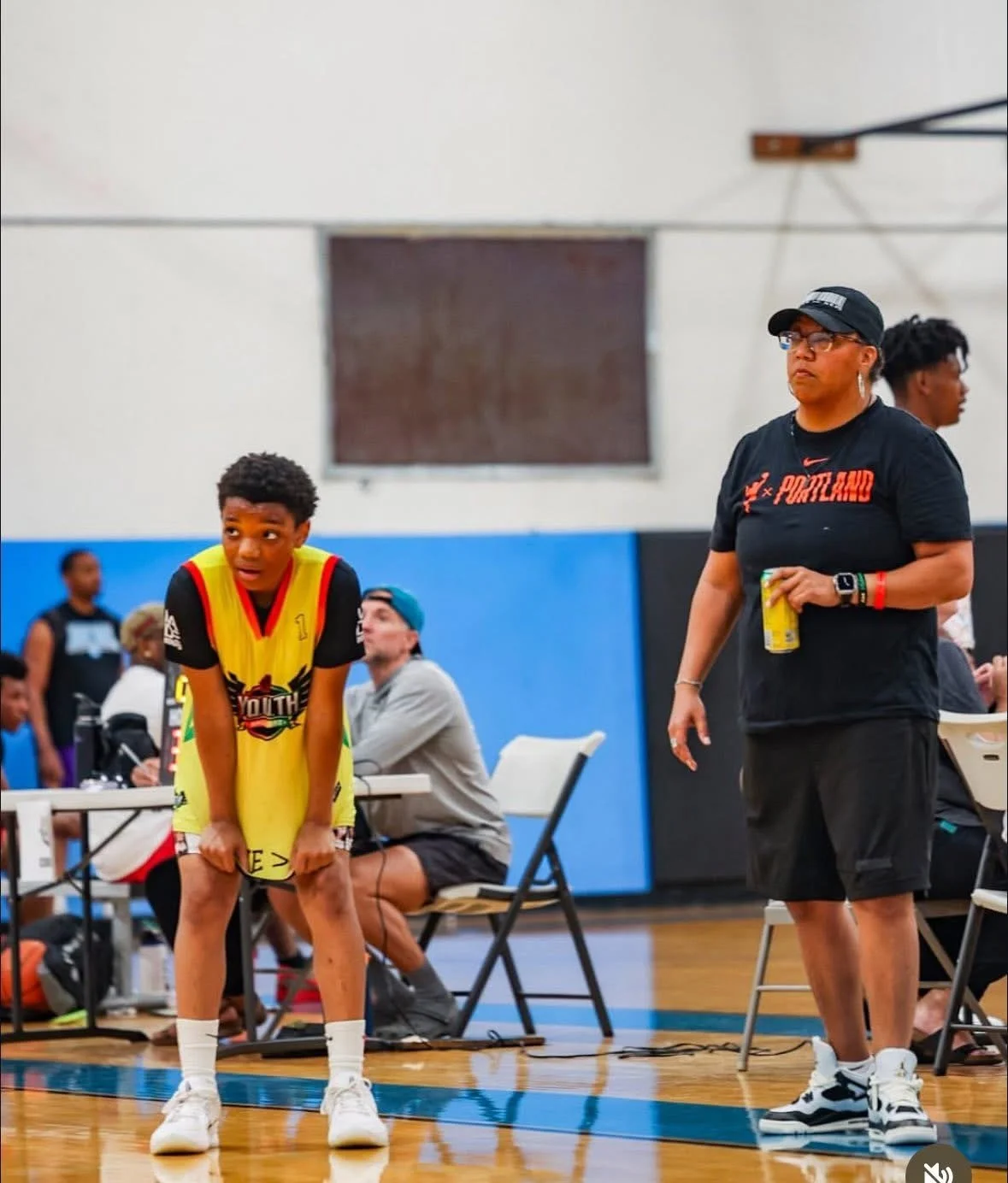
Photo: Y.O.U.TH
Youth Organized and United to Help
IDEA: Use basketball as an entry point for academic mentoring and identity-safe play
Imani Muhammad, founder of Youth Organized and United to Help (Y.O.U.TH), highlights the “school-to-prison pipeline” as a direct competitor to the sports ecosystem. In Multnomah County, Oregon, Black youth are eight times more likely to have a criminal referral and twice as likely to be detained as White youth. Latino/a youth are more likely than White youth to experience a negative outcome at each decision point of the judicial process.
High school sports require specific GPA eligibility. However, Black and Latino/a students in Portland face significantly lower reading and math proficiency rates compared to their peers, according to the Oregon Department of Education. Muhammad notes that many youth play on AAU teams with no academic requirements throughout middle school, only to be barred from high school play once they fail to meet academic eligibility requirements. This sudden exclusion at age 14 or 15 can sever a young person’s last tie to a supportive community structure through the school setting. By the teenage years, opportunities to play sports outside of school have significantly decreased.
Muhammad recognized that for many Black youth, sports must be part of a larger safety net. Basketball serves as an entry point, but the program's core is literacy, academic support and responsive programming.
Children from Y.O.U.TH with whom we spoke described Muhammad as more patient and understanding than many coaches. “Instead of yelling at kids or being rude, ‘Oh, you can’t do this, you need to go faster, you need to work out more, you’re not in shape,’ be more comforting like [Muhammad],” said one child. “Like, sit down and talk to them and don’t yell at them.”
Because many participants attend predominantly White schools, the basketball court represents one of the few spaces where they can fully embrace their cultural and personal identities. Mothers of participants report that they intentionally choose Y.O.U.TH over other programs to protect their children from the scrutiny and racism they face in mainstream sports environments.
“Their peers don’t even have a clue about [the racism experienced] and don’t understand, but it’s like our kids have this extra layer they deal with,” said a mom. “When we go places, we have to be cautious and we have to tell our kids, ‘You’ve got to represent because they’re looking at you. They’re looking at everything you do.’ And that’s a lot.”
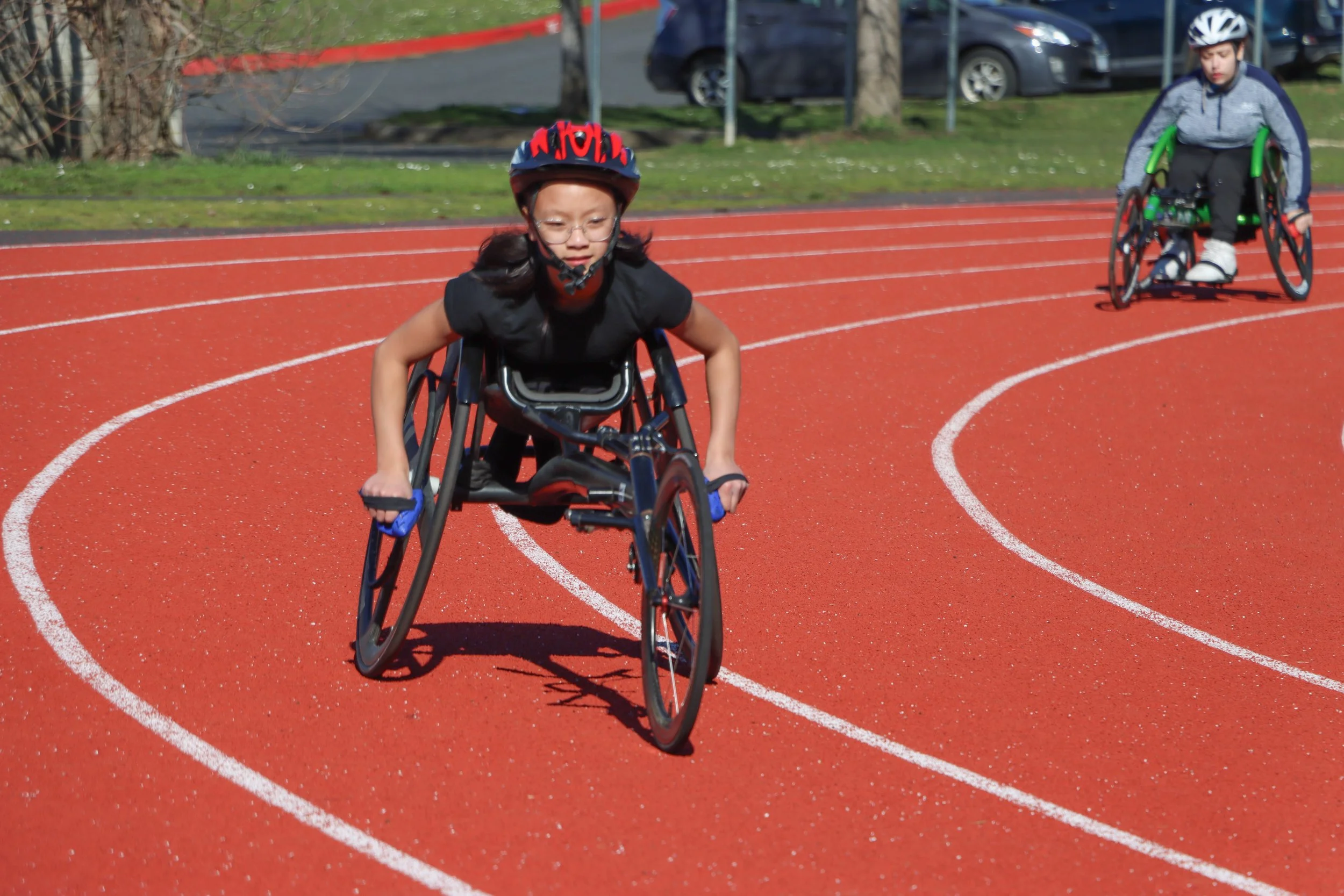
Photo: Adaptive Sports Northwest
Adaptive Sports Northwest
IDEA: Loan adaptive gear and share facilities so kids with disabilities can try sports
Parents of children with disabilities with whom the Aspen Institute spoke praised how comprehensive the adaptive sports environment is in Portland. Some families explicitly choose to move or remain in Portland because of the quality of local medical care, supportive Oregon state funding that creates a reliable health safety net, and accessible adaptive sports opportunities.
But parents and children also reported being initially unaware of adaptive sports opportunities. One mother described information as “haphazard” and siloed across pockets of the community. Access relies heavily on word-of-mouth, medical provider recommendations or targeted hospital newsletters. Once a family successfully plugs into the disability community, resources flow more freely, but the initial phase feels insurmountable to many families.
Portland benefits from local organizations like Adaptive Sports Northwest (ASNW), which loans and rents equipment so athletes can try sports like wheelchair basketball, wheelchair rugby, goalball, power soccer, swimming, track and field, sit volleyball, pickleball, archery and cycling. Lacking a dedicated gym, ASNW relies on regional partnerships for facilities. ASNW Executive Director Jen Armbruster, a Paralympic gold medalist, notes that families often don’t know these programs exist and schools often fail to realize how easily sports can be modified for inclusion in PE.
Moving to Portland provided better medical care and adaptive sports for Adrian Zeddek, a 14-year-old wheelchair racer. His mom, Bethany, credits ASNW for fostering Adrian's hope. While Benson High School has been a positive experience for Adrian, bureaucratic barriers persist.
Despite the school possessing adaptive chairs and employing a PE teacher who also uses a wheelchair, Bethany said the district refused to accept liability for the equipment. Benson’s vice principal personally paid to rent chairs so Adrian could participate safely. Adrian has discovered a new purpose through sports, inspired by meeting Paralympians and trying hand cycling and adaptive scuba diving. He wishes Portland would create community days for people without disabilities to try adaptive sports and respect the necessary skills.
“You get a lot of attention and pity on what you can’t do,” Adrian said, “so it’s nice to be like, look what I can do.”
Beyond the Scoreboard
IDEA: Pair coach training with school summits on mental health and team culture
Oregon possesses a unique mentorship framework for coaches. The Oregon School Activities Association (OSAA) adopted Beyond the Scoreboard, an initiative by former athletic directors Tom Bendt and Pete Lukich. They started their work a decade ago to invest in coaches, who they felt were often overlooked by athletic directors focused mainly on logistics.
Recognizing that the existing national training course was often dry, they developed a more engaging Oregon-specific course for coaches. Funded by the OSAA Foundation, Beyond the Scoreboard annually targets a new set of schools of varying sizes and locations across the state for this additional support.
Mandatory training: All first-year coaches must complete a two-hour 3D Institute course.
Summits: Coaches engage in three-hour, in-person discussions regarding topics such as psychology, mental health and capturing athletes’ hearts and self-worth.
Culture building: Athletic directors (ADs) act as “state ambassadors,” developing core values and intentional leadership rather than simply being managers of their departments.
Bendt and Lukich note that schools face challenges to continue the long-term follow-up after the initial pilot year, but some continue to do excellent work. As of 2025, two Portland-area high schools had participated (Ida B. Wells and Centennial). More local high schools could pursue pilot opportunities. In addition, Bendt and Lukich encourage schools to take these steps:
Identify champions: ADs cannot do it themselves and must find coaches to lead cultural shifts.
Form executive boards: Create coach-led groups to align schoolwide standards and meet regularly.
Engage decision-makers: Persuade superintendents and school boards to fund professional development despite budget deficits.
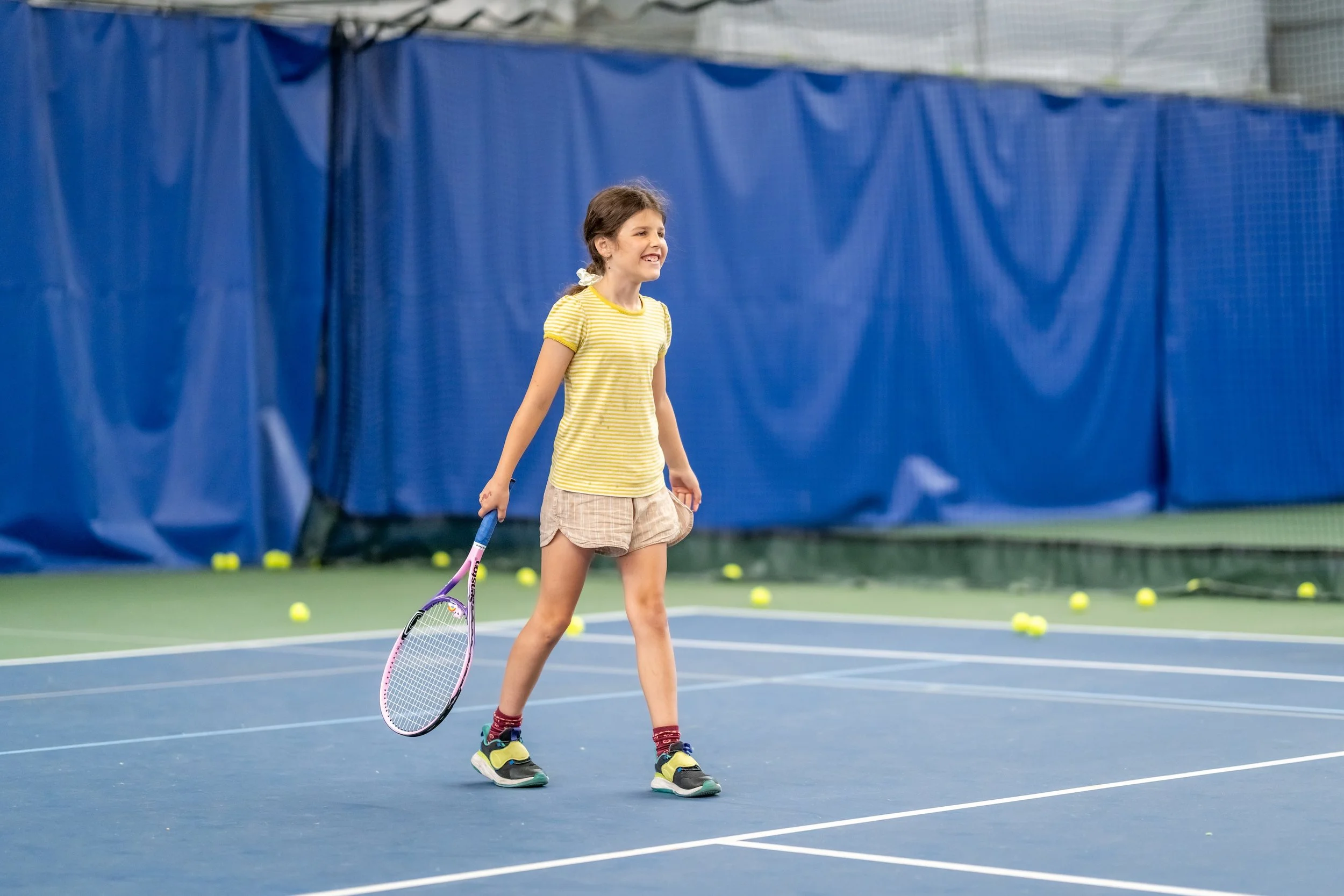
Photo: Portland Tennis & Education
Portland Tennis & Education
IDEA: Subsidize tuition-free youth program from public court rentals and adult classes
Founded by Dr. Ernest Hartzog to diversify the exclusive sport of tennis, Portland Tennis & Education (PT&E) has served 18,000 youth over three decades. Tennis is very popular in Portland — 35% of youth surveyed by the Aspen Institute have played the sport at least once, with girls playing slightly more than boys. But local children who are Black (13%) and Latino/a (21%) have tried tennis at much lower rates than those who are White and Asian (44% each).
PT&E is not just a tennis clinic; it is an intensive afterschool and summer intervention. Participants receive over 1,000 hours of out-of-school support annually, including one-on-one tutoring and lessons in financial literacy and job interviews. The average child stays for more than five years, according to Campbell Glenn Garonzik, PT&E executive director. In 2026, the U.S. Tennis Association Foundation recognized PT&E as the National Junior Tennis & Learning Chapter of the Year (out of 272 chapters nationwide).
The financial model of PT&E is particularly noteworthy. PT&E operates out of the city-owned St. Johns Racquet Center, and revenue from public court rentals and adult classes directly subsidizes the tuition-free youth program. This creates a sustainable social enterprise model where affluent recreational players directly fund opportunities for underserved youth.
The results speak for themselves: PT&E maintains a 100% on-time high school graduation rate for its long-term participants (the 2025 graduation rate in Portland Public Schools was 83%).
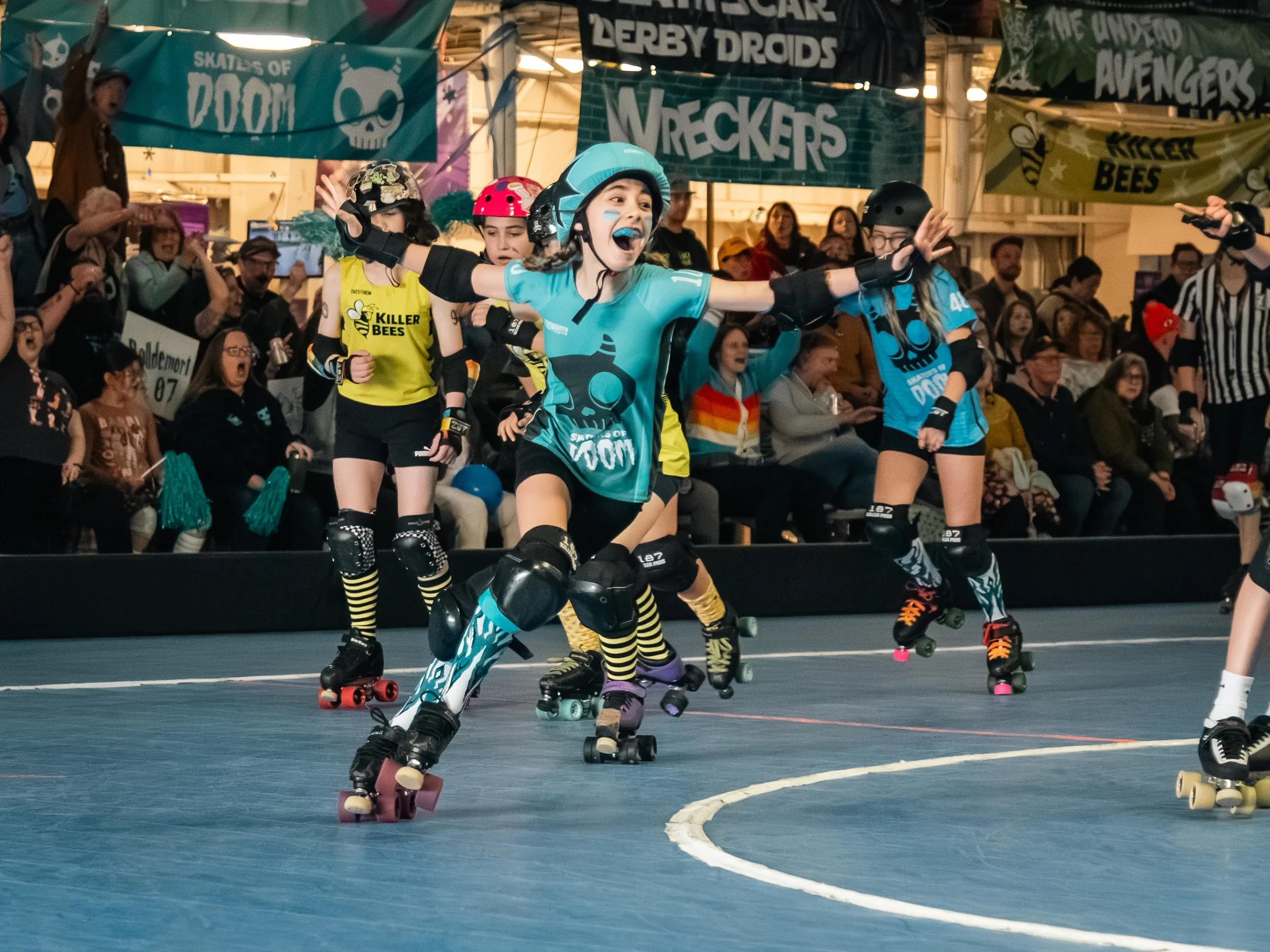
Photo: Rose City Rollers
Rose City Rollers
IDEA: Create safe spaces in sports for queer and gender-expansive youth
Roller derby is popular in Portland, where the Rose City Rollers serve women, girls and gender-expansive individuals. Parents report that the sport provides a uniquely safe space for queer and gender-expansive youth that other sports lack.
Nationally, LGBTQ+ youth play sports at lower rates than their peers due to discriminatory policies and fear of harassment, according to The Trevor Project. The Williams Institute at UCLA School of Law estimates that 3% of U.S. youth ages 13 to 17 identify as transgender.
Rose City Rollers parents note that while roller derby is an expensive travel sport, it allows children to express their identity and use their pronouns without judgment. This experience often contrasts sharply with school environments.
“Little, tiny language shifts made a huge difference in their lives,” said one Rose City Rollers mother. “We started referring to our skaters as skaters, not as girls.”
Photo: Active Children Portland
Erase the Gap
IDEA: Host an annual summit uniting local leaders against rising pay-to-play costs
In recent years, Portland Community Football Club (PCFC), with support from groups like Active Children Portland and other local youth nonprofits, has discussed building a local youth sports coalition focused on equity. Their efforts bring together community leaders and public servants to challenge the “pay-to-play” status quo. The annual event focuses on access, belonging and systemic opportunities by promoting sports as a valuable tool to improve community health.
In 2025, PCFC’s second “Erase the Gap” event featured speakers such as State Representative Travis Nelson, People of Color Outdoors Executive Director Pamela Slaughter and representatives from the Portland Thorns, Friends of Baseball, Active Children Portland and North Portland Soccer Club. The 2026 event had conversations with leaders from Organización de Amigos, Y.E.S. Baseball, Active Children Portland and Multnomah Athletic Foundation.
Active Children Portland has provided free afterschool programming for the past 15 years, largely in Title I and east Portland schools. Active Children Portland serves K-8th graders with a mix of academic and athletic offerings, like soccer and basketball, using paid coach-mentors at school sites and collaboration with other youth-serving organizations.
Coalition building is difficult to start and sustain. PCFC Interim Executive Director Jerika Ferguson hopes that a dedicated entity will carry the administrative burden of organizing these coalitions rather than placing the labor on smaller nonprofits, like PCFC. However, Ferguson notes that these nonprofits should be asked and welcomed to join a coalition at the beginning.
Community leaders in Portland are in the early stages of building a coalition to increase access to sports and play for youth. Local community members can get involved by signing up here for the Portland Youth Sports & Play Coalition Newsletter.
Jon Solomon is Research Director of the Aspen Institute’s Project Play initiative. Read the full State of Play Portland report here